Aldborough Hatch garden maintenance costs: what to know before hiring
If you are comparing Aldborough Hatch garden maintenance costs, the real question is not just "how much?" It is "what am I actually getting for the money, and will the service suit my garden long term?" That matters more than people think. A cheap quote can look fine on paper, then suddenly the hedge work is extra, the waste removal is extra, and the lawn care routine is basically one-off attention with no plan behind it. In this guide, we will break down what shapes garden maintenance pricing, what to ask before hiring, and how to avoid paying twice for the same job. You will also find a practical checklist, a comparison table, and a few honest examples from everyday garden jobs around a busy London suburb.
To be fair, most homeowners do not need a perfect "one price fits all" answer. They need clarity. They need to know what is fair, what is optional, and what signals a reliable gardener versus a vague one. Let's get into it.
Why Aldborough Hatch garden maintenance costs what to know before hiring matters
Garden maintenance is one of those services where the visible result is only half the story. The other half is consistency. A tidy garden today can become a scramble in three weeks if the work was rushed, under-scoped, or not scheduled properly. In Aldborough Hatch, where gardens range from compact terraces to wider suburban plots with hedges, patios, borders, and patchy lawns, the cost depends heavily on what the garden actually needs.
That is why it helps to understand the pricing logic before you agree to anything. Are you hiring for a quick reset, an ongoing tidy-up, or a full maintenance plan? Those are very different jobs. A seasonal cut-back after a wet winter is not the same as fortnightly maintenance through spring and summer. And if a quote does not spell that out, you are the one left guessing.
There is also a trust element. Good gardeners usually ask questions before quoting because they want to quote accurately. Things like access, waste volume, hedge height, lawn condition, and whether the property has overgrown areas all affect labour time. If someone gives a confident number without asking anything at all, that is not always a red flag, but it should make you pause.
Another reason this matters is budgeting. Garden work can be surprisingly elastic. One visit might be straightforward, while the next includes pruning, weed clearance, edging, leaf collection, and a small repair list. Knowing how costs are built helps you plan rather than react. And honestly, nobody enjoys surprise add-ons after the compost bags are already by the gate.
How Aldborough Hatch garden maintenance costs what to know before hiring works
Most garden maintenance pricing is shaped by a mix of labour, materials, access, and service scope. In plain English, the more time, skill, kit, and waste involved, the higher the price is likely to be. A simple lawn tidy and weed pull is a different proposition from a full border overhaul with hedge trimming and green waste removal.
Many gardeners will price in one of three ways:
- Hourly rate: useful for smaller or unclear jobs, especially if the garden condition is unpredictable.
- Fixed quote: best when the scope is clear, such as a defined monthly maintenance visit.
- Ongoing contract or regular plan: common for gardens needing repeat visits, which can sometimes work out more efficiently over time.
There is no single "right" model. It depends on the job. A homeowner who wants occasional help with mowing and border tidying may prefer a recurring arrangement, while someone with a neglected garden may need a one-off restoration first. If you want to compare quote styles, the site's pricing and quotes guidance is a sensible place to start.
Here is the bit people often miss: quotes should reflect what is included, not just what sounds low. Ask whether the price covers cutting, pruning, clearing, bagging waste, disposing of clippings, and any special equipment required. If a quote sounds too neat, check whether it is excluding the messy bits. It often is.
In practical terms, maintenance work usually falls into a few repeat categories:
- Lawn mowing and edging
- Weed control
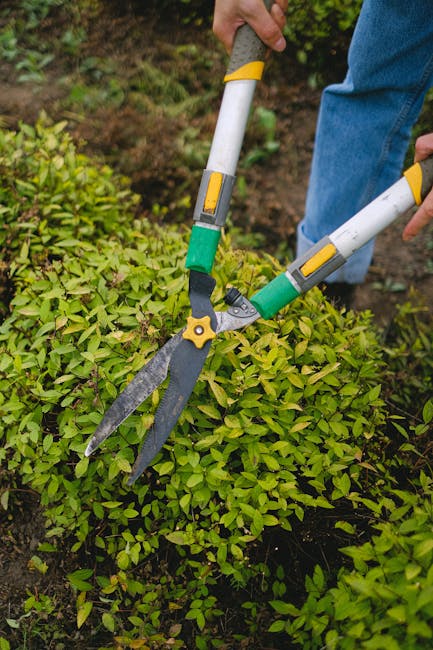
- Hedge trimming
- Border tidying and planting care
- Leaf clearance and seasonal cut-backs
- Patio and hard-surface cleaning
- Minor garden restoration and clearance
For some properties, the best value comes from bundling tasks together. For others, splitting work across the season keeps the garden healthier and the spending more manageable. That depends on how fast your garden grows and how much time you want to spend on it yourself.
Key benefits and practical advantages
Hiring a professional gardener is not only about saving time, though that is certainly part of it. Done properly, maintenance protects the shape, health, and long-term cost of your garden. Small issues stay small. Heavy pruning is avoided where possible. And surfaces, plants, and lawns generally last longer when they are looked after consistently.
Some of the most useful benefits are surprisingly practical:
- Better plant health: regular care means dead growth, disease spread, and nutrient issues are spotted earlier.
- Lower long-term repair costs: neglected hedges, compacted lawns, and weed infestation can become more expensive later.
- Safer outdoor spaces: trip hazards, slippery patios, and overgrown paths are easier to manage.
- Cleaner presentation: a maintained garden looks intentional rather than patched together.
- More predictable budgeting: regular maintenance is easier to plan than repeated rescue jobs.
There is a lifestyle side too. A garden that is genuinely manageable is more likely to get used. Breakfast outside. A bit of reading in the evening. Kids kicking a ball around without stepping on a rogue bramble. Nothing dramatic, just a garden that feels ready.
Some homeowners also choose maintenance with a specific design goal in mind. If you want a calmer, lower-effort space, it may be worth exploring ideas such as low-maintenance garden ideas that do not cost a fortune. Likewise, if you are trying to soften boundaries or screen a view, privacy planting can reduce maintenance in the long run when chosen carefully, as discussed in this guide to privacy-boosting hedges.
Expert summary: the best value usually comes from matching the level of service to the real condition of the garden, not the ideal condition you wish it had. A clear scope, regular visits, and realistic expectations beat bargain-hunting almost every time.
Who this is for and when it makes sense
This kind of garden maintenance is a good fit for a few very different people. Some want help because time is tight. Others can manage the odd weekend job but need proper support for larger seasonal tasks. And some simply want a professional eye to keep things from tipping into chaos. Happens all the time.
It makes sense for you if:
- Your lawn needs regular attention but you do not have the time or tools.
- Hedges and shrubs are getting out of hand.
- Weeds keep returning faster than you can deal with them.
- You have a garden that looks fine at a glance, but is becoming harder to maintain.
- You have just moved in and inherited a plot that needs a reset.
- You want a smarter, lower-effort outdoor space for the months ahead.
It is also useful if you are already thinking about a wider garden improvement project. For example, a regular maintenance plan can support future changes such as adding climbers for shade, introducing ground cover to reduce weeding, or reorganising seating and planting areas. A few relevant ideas can be found in this climber-focused transformation guide and this piece on ground cover choices.
If your garden tends to get battered by weather, hiring help before storm season or after a rough winter can also make sense. Wind damage, snapped stems, soaked borders, and damaged supports can all spiral if left alone. The articles on protecting gardens against severe weather and reducing wind damage are worth a read if that sounds familiar.
Step-by-step guidance for hiring well
If you want a smooth hiring process, keep it simple and structured. The best results usually come from a good brief, a few sensible questions, and a clear agreement before work starts.
- Walk the garden yourself first. Note the obvious jobs: lawn, hedges, borders, weeds, leaf fall, patio grime, broken edging, and anything that needs specialist care.
- Separate must-do tasks from nice-to-have tasks. This helps you compare quotes more fairly. You may not need everything done at once.
- Measure the scale loosely. You do not need surveyor-level precision, but "small courtyard", "average suburban lawn", or "large overgrown rear garden" gives useful context.
- Ask what is included. Labour, tools, waste removal, fuel, and follow-up visits can all affect price.
- Check how often the garden would be maintained. A one-off tidy and a recurring maintenance plan are not interchangeable.
- Request a written quote or service summary. This cuts down on misunderstanding later.
- Clarify access and timing. Narrow side access, locked gates, awkward parking, or communal areas can all affect the visit.
- Confirm payment terms. Make sure you know when payment is due and how invoices are handled.
If you are also considering related services, it can help to compare them within one broader plan. For example, lawn-focused work is often handled separately from general maintenance, and hedge cutting may be scheduled seasonally. The service pages for lawn mowing, lawn care, and hedge trimming in Aldborough Hatch can help you think in terms of tasks rather than vague bundles.
Expert tips for better results
In our experience, the best garden maintenance jobs are the ones where the brief is slightly boring. That is a compliment. It means the gardener knows exactly what to do and the homeowner knows exactly what to expect.
- Ask for a maintenance rhythm, not just a price. Regular intervals often keep costs steadier than emergency callouts.
- Think in seasons. Spring growth, summer mowing, autumn leaf fall, and winter cut-backs all demand different work.
- Use photos when quoting remotely. A few good pictures can save a lot of back-and-forth.
- Be honest about neglect. If the garden has not been touched for months, say so. Guessing only hurts the quote accuracy.
- Prioritise the work that affects plant health first. Dead stems, choking weeds, and compacted lawns often matter more than cosmetic tidying.
A small but useful trick: keep a short note after each visit. What was done, what needs doing next, and what looked close to becoming a bigger job. That sounds a bit organised, I know, but it saves money over time.
If you are trying to lower maintenance without stripping the garden of character, look at plant choice and structure. Evergreen ground cover can reduce weed growth. Hardy ferns work beautifully in shade. Container planting can make certain areas easier to control. These topics are explored in hardy ferns for shaded gardens, container gardening, and herb gardening for beginners.
One more thing: do not underestimate soil condition. A tired lawn or border can keep demanding time and money if the soil is poor. Good maintenance often includes smarter feeding, mulching, composting, and weed suppression. The article on organic waste and soil fertility is a practical companion piece.
Common mistakes to avoid
Most garden maintenance problems do not come from bad intentions. They come from rushed decisions. Here are the ones that tend to sting later.
- Choosing on price alone. Low quotes can hide limited scope, extra charges, or poor scheduling.
- Not checking what waste handling includes. Green waste removal can change the final cost quite a bit.
- Ignoring the condition of the garden. A neglected plot takes longer to recover than a tidy one.
- Assuming every gardener offers the same service. Some focus on mowing, others on pruning, others on full maintenance.
- Skipping the written agreement. Verbal understandings are easy to misremember.
- Letting seasonal work pile up. A little autumn clearance can prevent a much bigger spring job.
There is also a common emotional mistake: waiting until the garden feels embarrassing before calling for help. You are not alone, and it is rarely as bad as you think. If the space has become very overgrown, a structured reset can be more cost-effective than piecemeal fixes. The guide on reviving a neglected garden is especially relevant there.
And if you are tempted to handle the worst jobs yourself, be careful about overreaching. Ladder work, heavy hedge cutting, awkward tree limbs, and slippery surfaces can all introduce unnecessary risk. There is no prize for doing it the hard way.
Tools, resources and recommendations
You do not need a van full of kit to hire well, but a few practical resources make the process easier. Start with a clear list of what your garden contains and what it needs. Then keep a simple set of notes, photos, and questions ready.
Useful things to have to hand:
- A rough sketch of the garden or a few clear photos
- Notes on problem areas, such as soggy patches, persistent weeds, or shaded sections
- A list of any areas you want kept pet-safe or child-friendly
- Previous maintenance dates, if you know them
- Any special access instructions for side gates, shared paths, or parking
If you are thinking longer term, these pages can help you compare service types and plan around the garden rather than reacting to it: garden maintenance, gardening services, landscaping, patio cleaning, and decking services.
For wider structural issues, it may be worth looking at fencing or tree surgery where appropriate, especially if roots, shade, or overhanging growth are affecting maintenance costs. Not every garden problem is a "mow and tidy" problem, after all.
And if you want to understand the business side better, the pages on about the company, payment and security, and insurance and safety are worth checking before you commit.
Law, compliance, standards, or best practice
Garden maintenance is not heavily regulated in the way some trades are, but there are still sensible standards to expect. A trustworthy provider should work safely, communicate clearly, and handle waste and tools responsibly. That includes respecting property boundaries, using equipment properly, and avoiding shortcuts that create damage.
From a homeowner's perspective, the main best-practice areas are straightforward:
- Health and safety: operators should manage tools, ladders, blades, and moving equipment responsibly.
- Waste handling: clippings and debris should be dealt with in a clear and lawful way.
- Fair pricing and terms: you should know what you are paying for before work begins.
- Data and privacy: if you share contact details or payment information, it should be handled carefully.
- Complaint handling: there should be a fair way to raise concerns if something goes wrong.
If you want extra reassurance, review the provider's health and safety policy, terms and conditions, complaints procedure, privacy policy, and cookie policy. If a company is transparent about those basics, that is usually a good sign.
For anyone concerned about ethical supply chains and wider business practices, it can also help to see whether the business shares its modern slavery statement. That is not something most homeowners ask for every day, but it does speak to how a company thinks about responsibility.
Options, methods, and comparison table
Different maintenance approaches suit different gardens. The right choice depends on growth rate, budget, and how hands-on you want to be. A quick comparison makes the trade-offs easier to see.
| Approach | Best for | Typical strengths | Possible drawbacks |
|---|---|---|---|
| One-off tidy-up | Overgrown or recently neglected gardens | Fast reset, visual impact, good for short-term sorting | Can become pricey if repeated often, less preventive |
| Regular maintenance visits | Busy households, steady gardens, rental properties | Predictable, keeps growth under control, easier budgeting | Requires commitment and a clearer schedule |
| Seasonal maintenance | Gardens with strong spring/autumn growth | Targets the right times of year, practical for many homes | May not suit fast-growing lawns or hedges in peak season |
| Task-based support | Homeowners who handle some jobs themselves | Flexible, cost-conscious, lets you outsource the hardest work | Less consistent overall unless well planned |
In many cases, the best value sits between the extremes. For example, you might handle light weeding and watering yourself while hiring help for hedge work, mowing, or seasonal clearances. That blended approach is often cheaper than a full-service plan and less exhausting than trying to do everything solo.
If privacy, atmosphere, or family use are priorities, the choice of garden style also matters. Consider the calming approach in zen garden concepts, the more playful ideas in gardens kids will love, or the practical advice in creating a pet-friendly sanctuary. Design choices affect maintenance cost more than most people realise.
Case study or real-world example
Here is a simple example based on a common Aldborough Hatch-style garden situation. A homeowner has a medium-sized rear garden with an untidy lawn, a hedge along one boundary, patchy weed growth in borders, and a patio that has gone a bit green after a damp spell. Nothing extreme, just the usual slow slide from "fine" to "we should really deal with that".
At first glance, the homeowner asks for "a general tidy-up". A better conversation changes the outcome. The gardener breaks the work into parts: mow and edge the lawn, trim the hedge, remove weeds from the borders, clear clippings, and wash down the patio. The quote becomes more meaningful because each task is visible and separate. The homeowner then decides to keep the patio cleaning for a later visit and folds the lawn and hedge work into a regular plan.
The result is not just a better-looking garden. It is a better budget decision. The homeowner pays for the most urgent work first, avoids paying for duplicated labour, and sets up a routine that stops the garden slipping again. That is often the sweet spot. Not the cheapest visit, but the smartest one.
A very similar pattern comes up with overgrowth after a few wet weeks. If you leave the hedge too long, it becomes a larger job. If you leave the lawn too long, it becomes clumpy and harder to restore. Small delays turn into bigger invoices. Annoying, but very real.
Practical checklist
Use this checklist before hiring anyone for garden maintenance in Aldborough Hatch.
- Know which jobs you want done now and which can wait.
- Check whether you need a one-off visit or ongoing maintenance.
- Ask what the quote includes and excludes.
- Confirm whether waste removal is included.
- Ask how access, parking, or gate issues affect pricing.
- Request a written summary or quote.
- Ask about timing, repeat visits, and seasonal work.
- Check insurance, safety, and business policies.
- Make sure payment terms are clear.
- Keep a note of how the garden changes between visits.
Quick reality check: if two quotes differ a lot, do not just choose the lower one. Compare the scope line by line. Nine times out of ten, that is where the answer lives.
If you are unsure where to begin, start with the simplest job list and work outward. Mowing, hedge care, weed control, and border tidying usually reveal the real maintenance load pretty quickly. From there, it becomes much easier to decide what you actually need.
Get a free quote today and see how much you can save.
Conclusion
Understanding Aldborough Hatch garden maintenance costs before hiring is really about making better choices, not obsessing over the lowest number. A clear scope, honest communication, and a sensible maintenance rhythm will usually save money, stress, and a lot of half-finished weekend jobs. The right gardener should make your outdoor space easier to live with, not just tidier for a day.
Look for transparency. Ask what is included. Think seasonally. And choose the level of help that fits the real condition of your garden, not the ideal version in your head. That approach is calmer, smarter, and usually kinder to your budget too.
When the garden feels manageable, everything else about it starts to feel better as well. A bit lighter. A bit easier. And honestly, that is often the real value.
Frequently Asked Questions
What affects garden maintenance costs the most in Aldborough Hatch?
The biggest factors are garden size, how overgrown it is, how often it needs attention, waste removal, access, and whether specialist work such as hedge trimming or patio cleaning is needed.
Is a fixed quote better than an hourly rate?
Neither is automatically better. Fixed quotes work well when the job is clear. Hourly rates can suit uncertain or very small jobs. The best option depends on how predictable the work is.
Should I ask for waste removal to be included?
Yes, if you want a true like-for-like comparison. Waste removal can make a meaningful difference to the final cost, so it is worth checking whether it is included or charged separately.
How often should a garden be maintained?
That depends on growth, planting style, and how neat you want it to stay. Some gardens need weekly or fortnightly attention in peak season, while others can cope with seasonal visits.
What is the difference between garden maintenance and lawn care?
Garden maintenance usually covers a broader set of tasks such as weeding, hedge trimming, pruning, and tidying. Lawn care focuses more specifically on the health and appearance of the grass itself.
Do neglected gardens cost more to restore?
Usually, yes. Heavily overgrown or neglected gardens need more time, more labour, and sometimes more waste handling. A reset can still be worthwhile, but it is rarely the cheapest type of job.
Can I reduce costs by handling some tasks myself?
Absolutely. Many homeowners save money by doing light weeding, watering, or sweeping themselves while outsourcing the heavier jobs like mowing, hedge cutting, or seasonal clearance.
Should I get more than one quote?
Yes, if possible. Comparing a few quotes helps you understand what is included and whether a price is realistic. It also makes it easier to spot unusually low or vague offers.
What should a good gardener ask before quoting?
A good gardener will usually ask about garden size, condition, access, the tasks you want done, how often you need visits, and whether waste removal is needed. That is a sign they are quoting carefully.
Is it better to hire for one-off jobs or regular maintenance?
If your garden grows quickly or you want a consistently tidy result, regular maintenance often offers better value. One-off jobs work well for initial resets or occasional seasonal tasks.
Do I need to worry about safety and insurance?
Yes. It is sensible to check that the provider has appropriate safety practices and insurance. That protects both you and the gardener if something unexpected happens.
What if I am not sure which services I need?
Start with the basics: lawn, hedges, weeds, borders, and hard surfaces. A quick review of those areas usually reveals whether you need general maintenance, lawn-focused support, or something more like garden restoration.
How do I know if a quote is fair?
Compare what is included, not just the headline number. A fair quote is usually clear, specific, and proportionate to the size and condition of the garden. If the details are fuzzy, ask for them.
Who should I contact to discuss garden maintenance in Aldborough Hatch?
If you are ready to speak to someone about your garden, start with the site's contact page and ask for a quote based on your garden's actual needs.