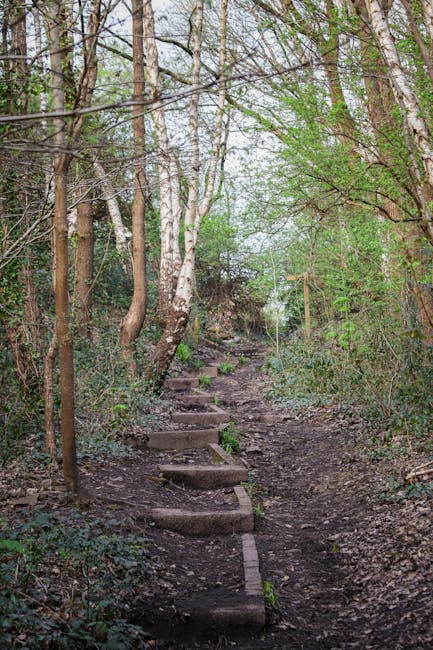
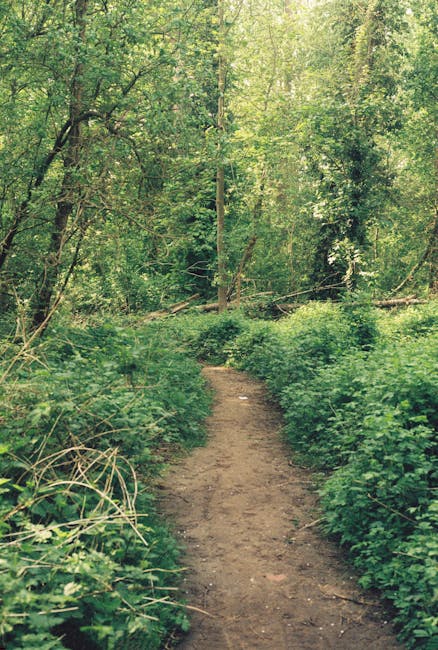
Aldborough Hatch gardeners local guide to Hainault Forest gardens
If you garden in Aldborough Hatch, Hainault Forest can feel close enough to influence how you plan, plant, prune, and protect your outdoor space. That matters more than people think. A windy corner, a shaded boundary, or a patch of heavy soil can make the difference between a garden that just survives and one that genuinely thrives. This Aldborough Hatch gardeners local guide to Hainault Forest gardens is here to make those decisions easier, with practical local insight you can actually use.
Whether you are refreshing a tired border, dealing with shade from mature trees, or trying to make a garden lower maintenance without losing character, the local conditions around Hainault Forest shape the best choices. Let's face it: the "perfect plant" on a nursery label is rarely perfect once it meets real London weather, leaf fall, and a bit of wind. So this guide walks through what works, why it works, and when a local gardener can save you time, money, and a few headaches.
Table of Contents
- Why this local gardening guide matters
- How garden planning around Hainault Forest works
- Key benefits and practical advantages
- Who this guide is for
- Step-by-step guidance for better results
- Expert tips from a local perspective
- Common mistakes to avoid
- Tools, resources and recommendations
- Law, compliance, standards and best practice
- Options, methods and comparison table
- Case study or real-world example
- Practical checklist
- Conclusion
- Frequently asked questions
Why Aldborough Hatch gardeners local guide to Hainault Forest gardens Matters
Gardens near Hainault Forest tend to face a familiar mix of conditions: dappled shade under mature trees, periods of leaf drop, birds and wildlife activity, patchy root competition, and pockets of moisture that do not behave quite the same way from one border to the next. In other words, a one-size-fits-all garden plan usually falls apart pretty quickly.
A local guide matters because the best garden decisions are rarely made in a vacuum. A shrub that looks tidy in a sunny showroom garden may turn leggy under forest-edge shade. A lawn that seems fine in spring can struggle once tree cover thickens and moisture changes. And a pretty border may become hard work if wind funnels through a narrow side return. The right approach starts with understanding the site before you buy a single plant.
We see this a lot: someone wants more colour, but the real issue is poor soil structure, too much shade, or a boundary that leaves the whole space feeling exposed. If you ignore those conditions, you keep chasing symptoms. If you work with them, the garden feels calmer and easier to manage. That is the local value here.
Expert summary: around Hainault Forest, the smartest garden improvements usually begin with shade tolerance, soil improvement, wind protection, and low-maintenance planting that suits the site rather than fighting it.
How Aldborough Hatch gardeners local guide to Hainault Forest gardens Works
At its best, local garden planning is a simple process with a few careful stages. You look at how the garden behaves across a normal week, not just on a sunny afternoon. You then match design and maintenance choices to those conditions. Simple, yes. Easy every time? Not quite.
Think of the process in layers:
- Observe the site. Note where sun lands, where shade lingers, and where wind seems strongest.
- Read the soil. Check whether it drains quickly, holds water, or feels compacted and lifeless.
- Define the use. Decide whether the space needs family seating, wildlife planting, privacy, or simple curb appeal.
- Choose the right planting style. Forest-edge gardens often benefit from shade plants, ground cover, climbers, and robust structural shrubs.
- Plan maintenance honestly. Be realistic about the time you have for mowing, trimming, watering, and seasonal tidy-up.
A useful local approach also considers the "small frustrations" that make a garden feel harder than it needs to be. For example, a patio with algae build-up under trees, a narrow fence line that is always weedy, or an overgrown hedge that steals precious light. These details matter. They are not glamorous, but they are what shape the day-to-day experience.
If you need a broader service foundation before refining a Hainault Forest-style garden, it can help to explore general gardening services or the more focused support available through garden maintenance. That gives you a sense of what can be handled seasonally versus what needs a one-off reset.
Key Benefits and Practical Advantages
A garden tuned to local conditions usually gives you more than just a nicer view from the kitchen window. It becomes easier to live with. That sounds obvious, but it is often the biggest win.
- Less wasteful planting. You stop replacing failed plants every few months.
- Better structure in shade. You can still create depth and interest without relying on full-sun species.
- Lower maintenance. The right ground cover and shrubs reduce weeding and constant tidying.
- Improved resilience. Wind-tolerant planting and smarter layout help during rough weather.
- More usable space. Good garden design can make small or awkward plots feel calmer and larger.
- Better year-round appearance. Evergreens, bark textures, climbers, and hedging keep the garden working through the quieter months.
There is also a practical financial angle. Choosing plants and features that suit the site from the start often costs less over time than repeated replacements or reactive repairs. A garden that fights the location becomes expensive in a quiet, annoying way. A garden that fits the location tends to settle in and look better with less drama.
For readers seeking ideas that reduce effort without flattening personality, the article on low-maintenance garden ideas is a helpful companion. If you are dealing with shaded corners specifically, hardy ferns for shaded gardens is another sensible place to start.
Who This Is For and When It Makes Sense
This guide is useful if you are in Aldborough Hatch or nearby and your garden sits close to the wooded, shaded, or wind-prone character you often get around Hainault Forest. It is especially relevant if any of the following sounds familiar:
- Your borders look good in spring but collapse by mid-summer.
- You have patchy lawn growth under trees or beside fences.
- Weeds keep returning in hard-to-manage spots.
- You want more privacy without building a heavy, overbearing barrier.
- Your garden feels a bit bare in winter and dull in shade.
- You have family, pets, or visitors using the space regularly.
- You are preparing a property for sale or rental and need the garden to look cared for.
It also makes sense if you are the sort of person who has tried a few "easy" garden fixes already and found they were not quite easy after all. Maybe the climbers got too enthusiastic. Maybe the hedge became a monster. Maybe the lawn looked great for two weeks, then sulked. Happens all the time.
For homeowners wanting a more polished boundary, the local page on hedge trimming in Aldborough Hatch is relevant, especially where light levels and privacy need to be balanced carefully. If you are thinking about a more complete refresh, landscaping support can help turn rough conditions into a proper plan rather than a series of small patches.
Step-by-Step Guidance
A good local garden plan does not start with shopping. It starts with noticing. Here is a practical sequence that works well in forest-edge and suburban gardens alike.
1. Walk the garden at different times of day
Look at the space in the morning, around midday, and late afternoon. Where does the light sit? Where does moisture linger after rain? Which corner feels chillier or more exposed? You only need a notebook or your phone, but the notes will save you a lot of guesswork later.
2. Separate the garden into conditions
Do not treat the whole plot as one uniform space. You might have one sunny strip, one dry rooty area, one damp shady patch, and one exposed section near the fence. Each section needs its own planting logic. That is normal.
3. Decide what each zone should do
One area might be for sitting, one for children or pets, one for privacy, and one for low-maintenance planting. If you want to improve the atmosphere quickly, a few carefully placed climbers can transform bare fencing or walls; see shade-to-shine green transformations with climbers for inspiration.
4. Improve the soil before planting heavily
In many local gardens, soil needs a little help. Compost, well-rotted organic matter, and careful mulching can improve structure and moisture retention. This is especially useful where tree roots compete for water and nutrients. The article on cultivating fertility in soil is worth a read if your borders feel tired.
5. Choose plants that match the site, not the wish list
That sounds blunt, but it is the truth. In shade, choose plants that tolerate lower light. In exposed spots, go for stronger stems and sheltered positioning. For ground-level coverage, use reliable low-spread options rather than leaving bare soil to invite weeds. The guide to ground cover choices for UK gardens is a smart starting point.
6. Build in maintenance rhythms
Even a low-maintenance garden needs a rhythm: seasonal pruning, hedge checks, lawn care, weed control, and the occasional tidy-up after bad weather. If you would rather outsource those moving parts, the services pages for lawn care, lawn mowing, and patio cleaning can help maintain the finished look.
Expert Tips for Better Results
Here is where local experience makes a real difference. The small decisions often matter more than the grand ones.
- Use layers, not single statements. A border with ground cover, mid-height shrubs, and a few vertical accents feels richer and is usually easier to maintain than isolated specimens.
- Protect the "hard-working" parts of the garden. Paths, steps, and patios near trees can become slippery, so routine cleaning matters more than people expect.
- Do not ignore wind funnels. Narrow side passages and fence lines can act like little tunnels. A properly planned hedge or screen is better than a flimsy fix.
- Think about winter first. If the garden looks decent only from May to September, it may be underplanned. Add evergreen structure, winter stems, or compact shrubs that hold shape.
- Keep a few easy wins. A container, a climber, or a repeat planting of a reliable shade-tolerant species can make a whole space feel more coherent.
One small but useful trick: if a space feels too busy, reduce the number of plant types before you increase the number of plants. That usually does more for calm and visual order than adding more variety. Oddly enough, restraint can be the clever bit.
For people looking for atmosphere as much as practicality, the piece on zen garden concepts is useful. If you want a garden with more personality at height, vertical garden ideas can bring interest without eating up floor space.
Common Mistakes to Avoid
Most local garden problems are not caused by one huge error. They build up through a series of reasonable but slightly mismatched choices. The classic stuff:
- Choosing sun-loving plants for shady spaces. They often stretch, weaken, and look disappointed.
- Ignoring soil condition. Poor drainage or compacted soil can undo otherwise good planting plans.
- Underestimating pruning needs. Hedges and climbers need a plan, not occasional panic.
- Creating privacy barriers that block all light. Privacy should feel restful, not like a cave.
- Leaving large bare patches. Bare soil almost always becomes weed territory sooner or later.
- Overfilling the garden too early. Patience helps. A garden needs room to mature.
There is also the "I'll just sort that next month" problem. We have all done it. A small issue becomes a proper weekend job, then a bigger one, and before long the whole plot feels like it needs a rescue mission. If you are already there, the article on revitalising a neglected garden may be the right next read.
Tools, Resources and Recommendations
You do not need a van full of gadgets to keep a Hainault Forest-style garden in shape, but a few solid tools and sensible resources make life easier.
Useful tools for local garden upkeep
- Hand shears for precise trimming near borders and pathways
- Bypass secateurs for clean cuts on softer stems
- Spade and fork for improving soil and lifting compacted areas
- Rake for leaf fall, especially near mature trees
- Long-handled brush or pressure-safe patio cleaning equipment for hard surfaces
- Gloves that you will actually wear, not just admire in the shed
Useful planning resources on this site
For practical gardening know-how, the following pages are especially relevant:
- gardening tools guidance
- beginner gardening tips
- herb gardening basics
- container gardening ideas
- weed control advice
And if you need a more hands-on starting point, you can review the company's about us page for background, or check the pricing and quotes information when you are weighing up the next step. Nothing fancy. Just useful.
Law, Compliance, Standards, or Best Practice
For most home gardens, the key compliance points are practical rather than dramatic. You are mainly thinking about safety, property boundaries, considerate working methods, and sensible disposal of waste. If you are hiring help, it is reasonable to expect clear communication on what is included, how access will work, and how the team handles equipment and site safety.
Good practice usually includes:
- Respecting neighbouring properties and avoiding unnecessary disturbance
- Using safe methods around trees, fences, slopes, decking, and wet surfaces
- Checking whether large trees or major works need specialist handling
- Making sure any waste is managed properly and not dumped casually
- Using appropriate protections for workers and householders where needed
Where garden work touches on tree work, structural changes, or boundary features, it is wise to use the right service rather than treating everything as a DIY job. A professional approach to tree surgery or fencing can prevent avoidable damage and keep the garden tidy in the long term.
Trust also matters. It is fair to ask about insurance and working procedures before any project begins. The site's insurance and safety and health and safety policy pages are useful for that reason. If anything ever goes wrong, there should also be a clear process, which is why the complaints procedure matters too.
Options, Methods, or Comparison Table
Not every garden around Hainault Forest needs the same kind of intervention. Some need planting help. Others need maintenance. A few need a proper reset. Here is a practical comparison to help you think it through.
| Approach | Best for | Strengths | Watch-outs |
|---|---|---|---|
| Light maintenance only | Gardens already in decent shape | Quick, affordable, keeps things tidy | Won't solve deeper issues like poor soil or bad layout |
| Planting refresh | Borders with the right structure but weak planting | Improves colour, texture, and seasonal interest | Needs the right site assessment first |
| Shade-and-shelter redesign | Forest-edge gardens with difficult conditions | Better plant survival and lower long-term effort | Usually takes more planning up front |
| Full landscaping project | Overgrown, awkward, or underused spaces | Most transformative, can improve function and flow | Higher cost and more moving parts |
| Targeted service packages | Homes needing specific jobs like hedges, lawns, or patios | Focused, efficient, easy to budget around | May not address the whole garden picture |
If your garden is mostly fine but has one or two stubborn problem areas, targeted support is often the smartest route. For example, a mix of lawn care and hedge trimming might be all you need. If the whole space feels disjointed, a broader landscaping conversation may be better.
Case Study or Real-World Example
A typical local scenario goes something like this. A homeowner near Aldborough Hatch has a back garden with a mature tree line at the rear, a narrow side return, and a lawn that never quite fills in properly. The border looks empty by autumn, and the patio gets slippery after damp weather. They want the space to feel calmer, a bit greener, and easier to manage. Not a total redesign. Just better.
Here is how a practical plan might unfold:
- Assess shade and root pressure. The rear border gets less light than expected, so full-sun perennials are ruled out early.
- Improve the soil. Organic matter is added carefully, with attention to root competition and moisture balance.
- Introduce shade-tolerant structure. Ferns, climbers, and reliable ground cover bring depth and softness.
- Reduce maintenance pressure. The lawn is improved with a more realistic care routine and the patio is cleaned to reduce slipperiness.
- Add privacy without heaviness. A hedge or screen is chosen to block views while still allowing enough light through.
The result is not a magazine garden overnight. That is not real life. But after a season, the space feels more settled, the maintenance is manageable, and the garden starts to look intentional. You notice it most on a quiet evening when the light drops and the planting still holds its shape. That is the good stuff.
Practical Checklist
Use this checklist before starting work in a Hainault Forest-influenced garden or before booking help.
- Have I checked which parts of the garden are shaded, windy, damp, or dry?
- Do I know which areas need privacy, seating, planting, or simply tidying?
- Have I identified any compacted soil, root competition, or poor drainage?
- Are my plant choices suited to the actual conditions rather than the ideal ones?
- Have I allowed for leaf fall, hedge growth, and seasonal pruning?
- Do hard surfaces need cleaning or moss removal?
- Do trees, fencing, or boundary issues need specialist attention?
- Have I set a realistic maintenance routine for the next few months?
- Do I know whether I need a one-off tidy-up or ongoing support?
- Have I looked at safety, insurance, and payment details before booking anyone in?
If you can tick most of those boxes, you are already ahead of the curve. If not, no problem. That is exactly what a good local plan is for.
Conclusion
The best gardens around Aldborough Hatch and Hainault Forest are not the ones that fight the local conditions. They are the ones that understand them. Shade, wind, leaf fall, tree roots, damp patches, and changing light all shape what will look good and stay healthy over time. Once you accept that, the whole process becomes calmer and more effective.
This guide has covered the practical side of planning, planting, maintaining, and improving gardens in a way that suits the local landscape. Whether you need better ground cover, cleaner edges, stronger privacy, or simply a garden that asks less of you every week, the right approach is usually the one that fits the site first and the style second. That order matters.
If you are ready to take the next step, whether that is a small tidy-up or a more involved transformation, start with the clearest problem in the garden and work outward from there. One good decision leads to another. Bit by bit, it becomes a space you actually want to spend time in.
Get a free quote today and see how much you can save.
Frequently Asked Questions
What makes Hainault Forest gardens different from other local gardens?
They often deal with more shade, leaf fall, moisture variation, tree root competition, and pockets of wind exposure. That changes the best plant and maintenance choices.
Can I still have flowers in a shaded garden near Hainault Forest?
Yes, absolutely. You just need the right shade-tolerant plants and a sensible layout. Ferns, climbers, and many woodland-style planting combinations work well.
What is the easiest way to make a garden near Aldborough Hatch lower maintenance?
Use ground cover, choose reliable shrubs, reduce bare soil, and keep maintenance tasks on a seasonal rhythm rather than waiting for problems to build up.
Do I need professional help for hedge trimming or can I do it myself?
Light hedge trimming is manageable for many homeowners, but if the hedge is tall, wide, awkwardly placed, or affecting light and privacy, professional support can be worth it.
How do I deal with a lawn that struggles under trees?
Often the answer is to accept that the area is not an ideal lawn zone. Improve soil where possible, reduce competition, and consider alternatives such as shade-tolerant planting or ground cover.
What should I do before booking garden work?
Be clear about the result you want, the budget you have, and whether you need a one-off job or ongoing help. It also helps to check insurance, safety, and payment terms first.
Is landscaping worth it for a small garden?
Yes, if the space is awkward, underused, or constantly difficult to maintain. Small gardens can benefit a lot from better layout, vertical interest, and smarter planting.
Which jobs usually make the biggest visual difference first?
Often hedge trimming, lawn improvement, patio cleaning, and removing tired overgrowth. Those jobs tend to sharpen the whole garden quickly.
How often should a garden near a forest edge be maintained?
It depends on the size and style of the garden, but seasonal attention is usually the minimum. Fast-growing hedges, lawns, and leaf-prone areas may need more frequent care.
What if my garden feels beyond saving?
It is rarely beyond saving. A neglected garden usually needs a staged approach: clear, assess, improve, then replant. That is often more effective than trying to fix everything in one weekend.
Are climbers a good choice for local gardens?
Yes, especially where you want to soften fences or make use of vertical space. They are useful in both shade and sun, depending on the species chosen.
How can I make the garden feel calmer and more private?
Use layered planting, hedging, and gentle screening rather than hard barriers everywhere. The goal is to create shelter without making the space feel closed in.