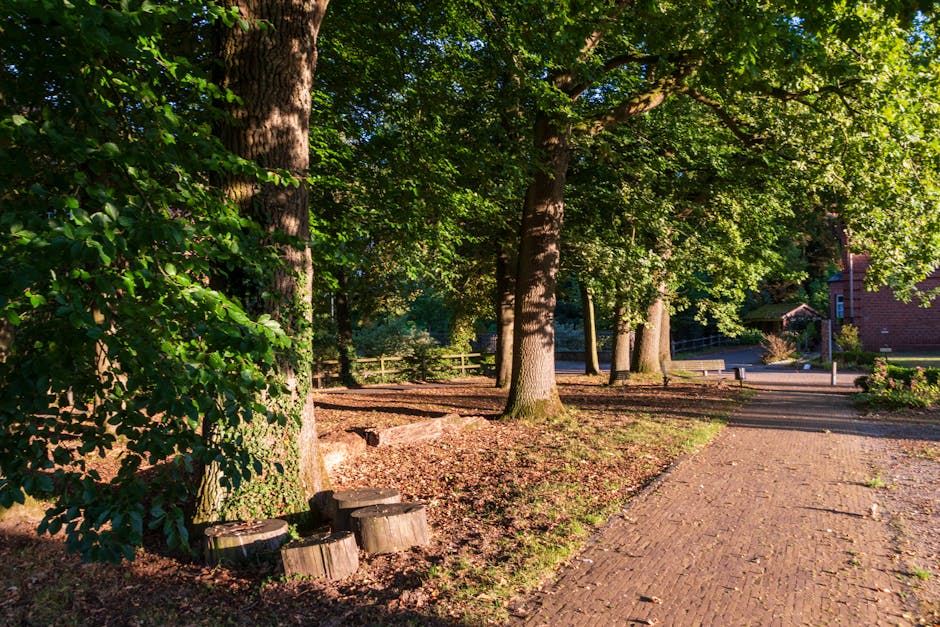
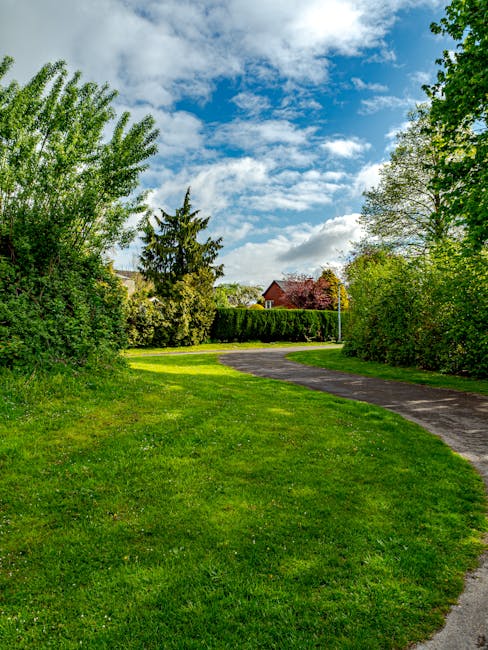
Best gardeners for Aldborough Hatch village green and woodlands
If you are looking for the best gardeners for Aldborough Hatch village green and woodlands, you probably want more than a tidy border and a quick mow. You want a team that understands shade, tree roots, damp corners, seasonal growth, and the realities of working around a green space that needs care without losing its character. That can be a tricky balance. The good news is that the right local gardener will know how to keep things neat, safe, and thriving without turning the area into something overdone or artificial.
This guide breaks down what to look for, how good garden care actually works in woodland-edge settings, and which services matter most when the brief is part amenity space, part living habitat. Along the way, you will find practical pointers, a comparison table, a checklist, and a few useful internal resources if you want to dig deeper.
Table of Contents
- Why Best gardeners for Aldborough Hatch village green and woodlands Matters
- How Best gardeners for Aldborough Hatch village green and woodlands Works
- Key Benefits and Practical Advantages
- Who This Is For and When It Makes Sense
- Step-by-Step Guidance
- Expert Tips for Better Results
- Common Mistakes to Avoid
- Tools, Resources and Recommendations
- Law, Compliance, Standards, or Best Practice
- Options, Methods, or Comparison Table
- Case Study or Real-World Example
- Practical Checklist
- Conclusion
- Frequently Asked Questions
Why Best gardeners for Aldborough Hatch village green and woodlands Matters
A village green and adjoining woodland planting are not ordinary garden jobs. They are shared, visible, and usually more sensitive than a standard front or back garden. One bad cut, one missed seasonal task, or one poorly chosen plant can stand out for months. That is why the best gardeners for Aldborough Hatch village green and woodlands need a broader skill set than just mowing and hedge trimming.
The area may include native trees, shaded understorey planting, edges that need weed control, and patches where foot traffic compacts the soil. You may also have small habitat areas, older shrubs, or wind-exposed sections that need careful handling. In other words, the job is as much about judgement as labour. A decent gardener sees the whole picture: ecology, safety, aesthetics, and maintenance workload.
To be fair, many people only notice garden care when something looks wrong. But with communal green spaces, preventative work saves time and money later. A sensible maintenance plan can reduce trip hazards, stop invasive growth from spreading, and keep the green looking cared for even through the messy months of late autumn and early spring. And yes, the best teams know when to leave things a little wild. Not every woodland edge needs a haircut.
If your project includes hedging or boundary definition, it can help to look at a specialist approach such as hedge trimming in Aldborough Hatch. For broader upkeep, regular garden maintenance often provides the structure that woodland-edge planting needs.
How Best gardeners for Aldborough Hatch village green and woodlands Works
Good garden care for a village green and woodlands starts with observation. A capable gardener will walk the site, identify plant types, note drainage patterns, check for shade levels, and look for damage from wind, pets, footfall, or seasonal dieback. That first assessment matters because the work in a dry, open lawn space is very different from the work beneath trees or along a boundary with heavy shade.
From there, the team usually builds a maintenance rhythm. That may include mowing or meadow management, hedge and shrub care, selective pruning, litter removal, weed control, soil improvement, and periodic tree work. In some cases, the work is scheduled around nesting season sensitivity, public access, or school-term footfall. A good gardener does not just ask, "What needs cutting?" They ask, "What should be protected, what should be encouraged, and what should be done later?"
Woodland-style spaces also require the right materials. Mulch, leaf litter management, composting, ground cover, and shade-tolerant planting all play a part. If the area is under pressure from wear and tear, durable planting choices can make a huge difference. For example, shade-loving planting may benefit from ideas in hardy ferns for shaded gardens and ground cover choices for UK gardens.
In practical terms, the best gardeners work in layers. They manage the visible surface, the hidden root zone, and the long-term health of the planting. That is where the real value lies.
Key Benefits and Practical Advantages
Choosing the right gardener for this kind of site brings more than visual improvement. It changes how the space feels and functions day to day.
- Safer paths and edges: Tidy borders, reduced overgrowth, and clear sightlines help people move around more confidently.
- Healthier planting: Correct pruning, soil care, and seasonal feeding keep trees, shrubs, and ground cover in better shape.
- Lower long-term costs: Preventative work is nearly always cheaper than a major tidy-up after a long period of neglect.
- Better wildlife balance: Smart gardeners can maintain a natural look without stripping away habitat value.
- Stronger curb appeal: A well-kept village green gives a calm, cared-for impression the moment people arrive.
- Reduced weather damage: Windy corners, saturated soil, and winter dieback can all be managed more effectively.
There is also a quieter benefit that people sometimes miss: consistency. A woodland-edge green looks best when care is steady, not dramatic. Small, regular improvements often beat big seasonal overhauls. Truth be told, that is what separates a merely tidy site from one that feels properly looked after.
If you want a greener, more resilient planting style, explore soil fertility through organic waste and reducing wind damage in your garden. These ideas translate well to exposed communal spaces.
Who This Is For and When It Makes Sense
This kind of service suits several different situations. You may be responsible for a shared green, managing a private property with woodland edges, or helping maintain a family-friendly communal space where presentation matters every week of the year.
It makes sense to hire a specialist when you notice any of the following:
- grass or ground cover becoming patchy, mossy, or uneven
- shrubs spilling onto paths or blocking sightlines
- trees casting heavy shade that changes what will grow successfully
- seasonal leaf fall building up faster than it can be cleared
- wind damage or storm debris creating repeated clean-up work
- areas becoming more like a neglected edge than a cared-for green space
It is also a good fit if you are aiming for lower maintenance. A skilled gardener can reshape the planting strategy so the space works with the conditions rather than fighting them. That might mean swapping in shade-tolerant planting, introducing climbers to soften blank surfaces, or using low-maintenance shrubs and perennial ground cover. For inspiration, see shade-to-shine transformations with climbers and low-maintenance garden ideas.
And if the space is used by children or families, the brief gets more practical again. You need safe surfaces, clear sightlines, and planting that can handle regular use. That is where a thoughtful team really earns its keep.
Step-by-Step Guidance
If you are comparing gardeners or shaping a brief for a village green and nearby woodland area, work through the process below.
- Start with the conditions. Note shade, sun, drainage, soil type, foot traffic, and any obvious problem spots.
- Define the outcome. Do you want a neat formal look, a softer natural edge, or a mix of both?
- List priority tasks. These often include mowing, hedge trimming, pruning, litter clearance, and weed control.
- Separate urgent work from ongoing care. A one-off restoration is different from a maintenance schedule.
- Ask about plant choices. Good gardeners should suggest species that suit shade, wind, root competition, and low-input care.
- Review access and safety. Paths, gates, nearby roads, and public use all affect how work should be planned.
- Compare service scopes rather than just prices. The cheapest quote can leave out the basics.
- Set a seasonal plan. Spring, summer, autumn, and winter each bring different priorities.
For many sites, the first visit focuses on recovery: clearing, shaping, and bringing order back. After that, maintenance becomes easier. If the area has been neglected for a while, revitalising a neglected garden is a useful mindset, even if the setting is communal rather than private.
Simple example: a green with heavy tree shade may need less mowing, more leaf management, and a stronger ground cover strategy. A brighter edge near homes may need regular hedge shaping and selective planting. Same postcode, very different plan.
Expert Tips for Better Results
Here is where a few practical habits make a real difference.
1. Treat shade as a design condition, not a problem
Shade changes the game. It does not mean the space is difficult; it means the planting palette needs to be smarter. Hardy ferns, climbers, and shade-tolerant ground cover can do a lot of the heavy lifting. That is why woodland-edge gardens often look best when they lean into the conditions instead of trying to force lawn everywhere.
2. Keep the soil alive
Compacted or exhausted soil is one of the quiet reasons green spaces decline. Organic matter, sensible mulching, and minimal unnecessary disturbance help enormously. If soil has gone thin and tired, a gardener who understands feeding and structure will usually outperform someone who only does cosmetic tidy-ups.
3. Think in layers
A good woodland or village green scheme has layers: canopy, shrub layer, ground cover, and open space. Even if the layout is simple, the maintenance strategy should reflect those layers. It helps the whole area feel intentional rather than patched together.
4. Use seasonal timing well
Winter pruning, spring feeding, summer weeding, autumn leaf clearance. Nothing glamorous there, but timing matters. A task done at the right moment is often easier, cleaner, and better for the plant. You know the feeling when a job is done just before the weather turns? Exactly that.
5. Keep boundaries neat but not sterile
Where a village green meets woodland, the edge should feel managed, not shaved bare. A light hand often produces the best result. If you need help with structure, services such as lawn care, lawn mowing, and general gardening services can be combined into a sensible routine.
Common Mistakes to Avoid
A lot of garden care problems start with good intentions and poor sequencing. Happens all the time.
- Over-cutting shaded planting: This can weaken plants that are already working harder for light.
- Ignoring drainage: Wet hollows around tree roots can turn messy fast.
- Using the wrong mower pattern: On worn communal grass, poor mowing habits can make ruts and bald patches worse.
- Removing too much leaf litter: Some leaf material is useful habitat, but it needs balancing so it does not smother paths or lawns.
- Choosing decorative plants that need constant attention: Woodland-edge spaces usually reward resilience over fussiness.
- Delaying tree work: Small defects can become expensive if left too long. That is where tree surgery may become part of the plan.
One of the biggest mistakes, honestly, is pretending all areas can be managed with the same method. A sunny front garden and a shaded communal green are not cousins; they are different jobs entirely.
Tools, Resources and Recommendations
The best gardeners bring the right tools, but they also know how to use them without making a scene. Good equipment matters, yet judgement matters more.
| Need | Useful approach | Why it helps |
|---|---|---|
| Regular upkeep | Scheduled maintenance visits | Keeps growth under control before it becomes a bigger job |
| Shaded areas | Ferns, climbers, and ground cover | Reduces bare patches and supports a natural look |
| Weather exposure | Wind-aware planting and staking | Protects young plants and reduces breakage |
| Family-use spaces | Clear paths and neat edges | Improves safety and everyday usability |
| Neglected plots | One-off clearance followed by routine care | Restores order without rushing the long-term plan |
For a stronger toolkit mindset, the guide on essential gardening tools is a solid companion read. If you are working on privacy or soft screening around the green, privacy-boosting hedges may help you think through species and spacing.
And if the area needs a full refresh rather than a small tidy-up, a broader landscaping approach can sometimes solve structural problems that repeated maintenance alone cannot fix.
Law, Compliance, Standards, or Best Practice
For shared greens and woodland areas, compliance and best practice are mostly about care, caution, and avoiding preventable risk. You do not need to turn every task into a legal exercise, but you do need sensible working methods.
In practical terms, that means gardeners should work with appropriate public-safety awareness, manage tools carefully, and avoid unnecessary disturbance to nesting birds, protected habitat features, or unsafe trees. If the area has public access, risk awareness matters even more. Clear work zones, tidy debris removal, and sensible timing all help.
Insurance is another obvious one. A reputable team should be able to discuss working cover and safety procedures in plain English. You can also review their insurance and safety information and their health and safety policy if you want reassurance before any work begins.
For communication and expectations, documents such as terms and conditions, pricing and quotes, payment and security, and complaints procedure are useful signs of a professional setup. They do not make the gardeners better by themselves, of course, but they do show a more organised operation.
If accessibility matters around the site, it is also worth checking the provider's accessibility statement. For service background, the about us page is a simple way to understand who is doing the work and how they approach it.
Options, Methods, or Comparison Table
When choosing gardeners for Aldborough Hatch village green and woodlands, the real question is often not "who is cheapest?" but "who is suitable for this kind of site?" Here is a quick comparison.
| Approach | Best for | Strengths | Watch-outs |
|---|---|---|---|
| General garden maintenance | Routine care, tidy presentation | Reliable, flexible, good for ongoing upkeep | May need extra input for trees or habitat-sensitive areas |
| Specialist hedge and shrub care | Boundaries, screening, structural shaping | Keeps lines clean and growth healthy | Needs timing and species knowledge |
| Lawn and turf-focused care | Open grassy spaces | Improves appearance and wear tolerance | Less suitable where shade and roots dominate |
| Landscaping-led approach | Problem areas, redesign, site improvement | Useful for bigger changes and layout fixes | More planning required, often less about quick tidy-ups |
| Tree and woodland care | Canopy management, safety, long-term health | Essential around mature trees and sheltered planting | Must be done carefully and by competent people |
In many cases, the best answer is a blended approach. That is fairly normal. A village green with surrounding woodland edges usually needs mowing in some places, selective pruning in others, and a bit of habitat-friendly restraint elsewhere.
Case Study or Real-World Example
Here is a realistic example based on the kind of situation many local sites face.
A communal green near a wooded edge had a familiar set of issues: patchy grass in the open area, moss in the shade, low branches near paths, and hedges that had slowly swallowed their shape. The site did not look neglected exactly, but it looked tired. You could feel it when walking across it. A bit flat. A bit confused.
The first phase was simple clearance. Paths were opened up, broken material removed, and the worst overgrowth cut back. Then the gardeners shifted to structure: thinning where the canopy was too dense, improving edging, and replacing a few weak planting gaps with shade-tolerant ground cover and ferns. Leaf litter was managed rather than endlessly fought, and the mowing pattern was adjusted so the grass had a chance to recover instead of being stressed into dust.
After that, the maintenance schedule became the real win. Smaller, regular visits stopped the area sliding back. The site did not become manicured in a suburban show-garden way. Better than that. It became calm, legible, and easier to live with.
That is the goal for most local greens, really. Not perfection. Just the right amount of care in the right places.
Practical Checklist
Use this before you hire anyone or agree a maintenance plan:
- Have the gardeners worked on shaded, tree-rooted, or public-facing sites before?
- Can they explain how they manage leaf fall, moss, weeds, and compaction?
- Do they offer both one-off clearances and ongoing maintenance?
- Can they suggest planting that suits woodland edges and low-light areas?
- Are they comfortable discussing safety, access, and public-use concerns?
- Do they provide clear pricing and written expectations?
- Will they adapt the plan through the seasons?
- Do they understand when a tidy finish is right, and when a softer ecological approach is better?
- Is there a sensible route for repairs, hedge work, or tree-related issues?
- Do they feel like people who will keep showing up, not just vanish after the first cut?
If you want a more detailed first step, start with the contact page to discuss your site's needs and get a plan that fits the space properly.
Conclusion
The best gardeners for Aldborough Hatch village green and woodlands are the ones who understand that this kind of space is alive, shared, and always changing. They should know how to work with shade, roots, weather, public use, and seasonal growth without losing the natural feel that makes the place worth protecting in the first place.
When you choose a team with real judgement, you get more than tidy edges. You get a space that feels cared for, easier to manage, and more enjoyable to walk through on a damp morning or a bright late-afternoon stroll. Small improvements add up. They always do.
Get a free quote today and see how much you can save.
If you are still weighing things up, keep it simple: look for experience, clarity, safety, and a maintenance plan that respects the character of the site. The right gardener should make the whole space feel easier, not busier. And that, in the end, is what good local care is all about.
Frequently Asked Questions
What makes a gardener suitable for a village green and woodland area?
A suitable gardener understands shaded conditions, tree roots, seasonal leaf fall, public safety, and the difference between tidy maintenance and overcutting. They should be comfortable working with a natural-looking landscape rather than forcing it into a formal garden style.
Do I need a specialist for woodland-edge planting?
Usually, yes. Woodland-edge planting behaves differently from open borders. Shade, moisture, root competition, and low light all affect what will thrive. A specialist is more likely to suggest plants and maintenance methods that actually suit the site.
How often should a village green be maintained?
That depends on growth rate, foot traffic, weather exposure, and the type of planting. Some areas need weekly or fortnightly attention in the growing season, while others work best on a lighter seasonal schedule. The right frequency is usually site-specific.
What services are most useful for Aldborough Hatch village green and woodlands?
Commonly useful services include garden maintenance, hedge trimming, lawn care, mowing, pruning, weed control, tree work, and, where needed, landscaping. The exact mix depends on the site's condition and how natural or managed it should look.
Can a gardener help improve a neglected green space?
Yes. In many cases, the first stage is a one-off restoration: clearance, shaping, and safety work. After that, a regular maintenance plan keeps the space from slipping back. It is usually much easier to restore and then maintain than to start from scratch later.
What should I ask before hiring someone?
Ask about experience with similar sites, insurance, safety procedures, pricing clarity, seasonal planning, and how they handle shade, roots, and public access. If they can explain their approach in plain English, that is a good sign.
Is mowing always the right answer for a village green?
Not always. Some areas are better managed as grass, but others may benefit from reduced mowing, ground cover, or a more meadow-like approach. The best choice depends on access, appearance, and how much wear the space gets.
How do gardeners deal with shaded areas under trees?
They usually reduce reliance on grass, improve soil care, manage leaf litter, and introduce shade-tolerant planting such as ferns or climbers. The aim is to create a healthy, lower-maintenance planting mix instead of fighting nature every season.
What are the signs that the site needs tree surgery?
Look for low or damaged branches, dead limbs, repeated debris fall, poor canopy balance, or anything that appears unsafe near paths and public spaces. Tree work should be approached cautiously, and only by people with suitable competence.
How do I compare quotes fairly?
Compare the scope of work, visit frequency, materials included, safety arrangements, and whether the quote covers both immediate cleanup and ongoing care. A lower price can be less useful if it leaves out essential tasks.
Can the same gardener handle hedges, lawns, and planting?
Often yes, if they are experienced across garden maintenance rather than limited to one task. For a mixed site like this, it is helpful when one team can manage hedges, lawn care, and the planting structure together. It keeps the whole job more consistent.
What if I want a natural look rather than a formal one?
That is very common in woodland-adjacent spaces. A good gardener can keep things neat and safe while still preserving a softer, more natural character. The trick is selective maintenance, not blanket tidying.