Emergency garden clearance Aldborough Hatch same day gardeners

When a garden suddenly becomes unsafe, blocked, or simply unmanageable, you do not want a long wait and a vague promise. You want someone who can turn up quickly, clear the mess properly, and leave the space usable again. That is exactly where Emergency garden clearance Aldborough Hatch same day gardeners comes in. Whether it is storm debris, broken branches, an overgrown front path, or a garden that has tipped from "a bit untidy" into "we need this sorted today", fast action matters.
This guide explains what emergency clearance actually involves, how a same-day garden team typically works, what to expect on the day, and how to choose the right support without making a rushed decision you later regret. To be fair, when the garden is a mess and time is short, it is easy to focus on speed alone. But the best results come from speed and a sensible plan.
For readers who want broader help beyond one-off clearances, you may also find the site's garden maintenance service useful for preventing future build-up, and the article on revitalising a neglected garden gives practical ideas for bringing structure back after a clearance.
Expert summary: Emergency garden clearance is not just about removing waste. It is about restoring safe access, reducing risk, and creating a clean base for the next stage of garden care. Same-day gardeners are most valuable when the work is urgent, physically demanding, or time-sensitive after weather damage, tenant changes, or a sudden overgrowth problem.
Why Emergency garden clearance Aldborough Hatch same day gardeners Matters
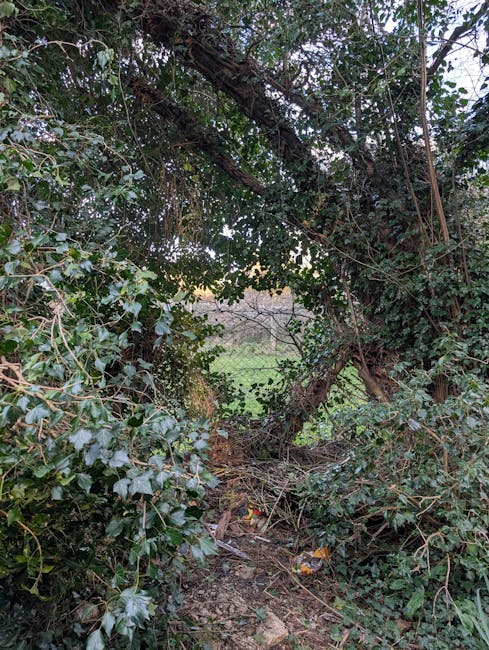
An emergency garden clearance is often needed when the garden has crossed a line from untidy to problematic. Maybe a fallen limb is blocking a side return. Maybe brambles have swallowed the path and made access awkward. Maybe bins cannot be taken out properly, or a wet lawn is covered in windblown litter and snapped stems after a rough night. In Aldborough Hatch, where gardens can be compact, side access may be narrow and fences close together, these issues can escalate quickly.
Same-day gardeners matter because delays usually make the problem worse. A small blocked area can become a slip hazard. A pile of cuttings left too long can attract pests and create damp, muddy corners. Overgrown shrubs can hide broken glass, damaged edging, or even trip points that are not obvious until someone is already in trouble. Let's face it, nobody wants to find that out by falling over a hidden paving lip.
There is also a practical social side to it. If you are preparing for visitors, a property inspection, a move-in or move-out, or even a family gathering, a fast clearance can reset the space in a single day. And in the aftermath of strong wind or heavy rain, quick clearing can help you assess what actually needs repair rather than guessing through the mess. The site's advice on preparing gardens for severe weather and reducing wind damage is especially relevant if your clearance request follows a stormy spell.
One thing people often miss: emergency clearance is rarely only about appearance. It is about restoring function. Can you walk through the garden safely? Can children or pets be kept away from hazards? Can water drain properly? Can a gardener, plumber, delivery driver, or neighbour actually access the area? Those are the real questions.
How Emergency garden clearance Aldborough Hatch same day gardeners Works
Same-day garden clearance usually starts with a quick assessment. That may be done by phone, message, or photos if the team offers that route. The aim is simple: understand the scale of work, the type of waste, the access points, and whether there are any immediate risks. If the job is urgent, the scheduler will normally look at team availability, vehicle capacity, and the time needed to remove waste safely.
A typical emergency clearance may include:
- cutting back overgrown vegetation to reopen access
- collecting loose branches, leaves, and windblown debris
- removing garden waste from paths, patios, drives, and lawns
- clearing damaged plant material after stormy weather
- lifting and bagging green waste for disposal
- tidying edges so the garden is safe and manageable again
In some cases, a team may also identify extra work that should be handled separately, such as hedge trimming, basic lawn recovery, or light landscaping. That is where a service like hedge trimming in Aldborough Hatch can become the next sensible step if your clearance uncovers dense boundary growth. If the garden has become more than a one-off issue, lawn care and lawn mowing may also be useful after the main clearance is done.
Same-day work is usually more focused than a full garden overhaul. The priority is to make the place safe, usable, and clean. If there is time left after the urgent hazards are dealt with, the gardeners may continue with deeper tidying. But the first objective is always the same: sort the immediate problem. Nice and simple, really.
Key Benefits and Practical Advantages
There is a reason emergency clearance is such a popular request. It solves a very immediate pain point, and it does so in a way that is usually far less stressful than trying to handle everything yourself under pressure.
1. Fast restoration of safe access
Paths, gates, side passages, and patios can be cleared quickly so people can move around without squeezing past piles of waste or stepping over awkward branches. That matters more than it sounds like it should, especially if mobility is limited or children are involved.
2. Better visual control of the space
When a garden is wildly overgrown, it is hard to judge what is salvageable. Once the clutter is removed, the structure becomes visible again. You can finally see the borders, the condition of the lawn, and the plants worth keeping. A bit of clarity goes a long way.
3. Reduced risk of damage
Storm-damaged timber, leaning canes, broken pots, and saturated cuttings can all cause secondary damage if left in place. Quick clearance reduces the chance of someone tripping, a fence panel being weighed down, or a drain being blocked by leaves.
4. Less stress for the household
Truth be told, a messy garden can play on your mind. It sits there quietly in the background, nagging at you every time you open the back door. Having it cleared in one visit can feel surprisingly relieving.
5. A better starting point for future improvements
Once the immediate mess is gone, you can plan properly. Maybe the space needs low-maintenance planting, maybe new edging, maybe a rethink of the layout. A useful next read here is low-maintenance garden ideas, which fits neatly after an emergency tidy-up.
| Approach | Best for | Typical outcome | What to watch for |
|---|---|---|---|
| Same-day emergency clearance | Urgent mess, blocked access, storm debris | Fast safety and access restoration | May focus on essentials first, not perfection |
| Scheduled garden clearance | Non-urgent overgrowth or seasonal clean-up | More time for detail and sorting | Slower turnaround |
| Ongoing maintenance | Preventing repeat build-up | Garden stays manageable | Requires regular visits |
Who This Is For and When It Makes Sense
This type of service suits a lot more people than you might expect. It is not only for dramatic storm damage, although that is a common reason to call. In Aldborough Hatch, same-day clearance can make sense for homeowners, landlords, tenants, estate agents, property managers, and older residents who simply cannot tackle the work alone.
It is especially useful if you are dealing with:
- fallen branches or blocked access after bad weather
- garden waste left after another contractor job
- an overgrown garden before an inspection or sale
- paths hidden by vegetation
- piles of clippings after hedge work
- a neglected garden that needs to be made safe before further work begins
If the garden has become neglected over a long period, emergency clearance is usually the first step, not the whole solution. A follow-up plan may involve longer-term care, planting replacements, or even structural work. For example, if the boundary is weak, the site's fencing service can help once the clutter has been removed, while landscaping may be the right route if the layout needs more than a tidy.
There are also smaller situations where a fast response is just plain sensible. A garden full of fallen leaves around a patio can become slippery in no time. A pile of damp cuttings near a wall can start to smell earthy and sour. Not dramatic, but annoying. And annoying becomes urgent when rain keeps coming.
Step-by-Step Guidance
If you have never booked a same-day clearance before, the process is usually more straightforward than people expect. Here is a practical way to think about it.
- Identify the immediate hazard. Is the issue access, safety, damage, or general overload? Be specific if you can.
- Take a few clear photos. Wide shots and close-ups help the team understand the scale quickly. A photo of the side passage or blocked gate is often worth a thousand words, as the saying goes.
- Explain what must happen today. For example, "clear the path", "remove storm debris", or "make the patio safe for use".
- Ask what is included. Find out whether the team will bag waste, take it away, sweep hard surfaces, or leave material stacked for later.
- Check access details. Narrow gates, parking issues, shared entrances, or locked side access can affect timing.
- Confirm the timing window. Same-day work still needs a realistic arrival slot. A quick job can be fast, but rush-hour traffic and earlier jobs happen. It is London.
- Walk through the garden with the gardeners. On arrival, point out anything fragile, valuable, or especially urgent.
- Review the result before they leave. Make sure the priority areas are clear, safe, and usable.
If the garden also needs ongoing resilience work, you may want to combine the clearance with practical preparation ideas from equipping your garden against severe weather or add planting that works well in awkward spots using ground cover choices for UK gardens.
Expert Tips for Better Results
The difference between a rushed clean-up and a genuinely helpful emergency clearance usually comes down to a few practical details. These are the little things that save time and frustration.
Be clear about your priority zone
Do you need the front garden cleared for access, the rear garden made safe for children, or the whole lot tidied? If the team knows the priority, they can work in the right order instead of guessing.
Separate waste that must go
If you already know some items are to be removed-damaged pots, dead shrubs, broken trellis-say so early. It helps avoid pauses mid-job.
Keep the route to the garden open
It sounds obvious, but if bins, bikes, or storage items are blocking the way, move them beforehand where possible. Same-day gardeners can work faster when they are not constantly playing obstacle course.
Think beyond the obvious mess
After an emergency clearance, look at what caused the build-up in the first place. Was it a wind trap? A lack of maintenance? Dense planting that needs reshaping? If you enjoy learning the why behind it, the article on organic waste and soil fertility is a useful companion piece for turning waste into a garden asset rather than a problem.
Ask for a realistic second-stage plan
A good gardener should be able to tell you what the garden needs next: hedge reduction, lawn recovery, weed control, patio cleaning, or maybe just regular visits. That honest sequencing is more helpful than promising everything at once.
One small but valuable tip: if you are unsure whether a plant should be removed, ask the team to leave it until you have made a decision. A five-minute pause is better than regretting a hasty chop later. We have all seen that one rosemary shrub cut down to a stub by someone who thought it was "just a bit of green stuff". Ouch.
Common Mistakes to Avoid
Emergency jobs are exactly where people can make avoidable mistakes, because they are thinking about speed and relief rather than the detail. A few to keep in mind:
- Booking only on price. The cheapest response may not include enough labour, waste handling, or the right equipment.
- Underexplaining the problem. If the team arrives expecting a light tidy but finds storm-fall, the job can run late or need rescheduling.
- Ignoring access issues. Locked gates, parking constraints, or tight side entrances can affect whether the team can complete the work efficiently.
- Leaving hazardous material in place. Broken glass, sharp branches, or unstable piles should be flagged right away.
- Assuming clearance means disposal is automatic. Confirm how waste will be handled so there are no surprises.
- Not planning the next step. A cleared garden can drift back into chaos if you do nothing after the urgent work is done.
Another common one is expecting emergency clearance to solve every garden problem. It won't. It gives you a clean slate, yes, but if the underlying issue is poor maintenance, drainage trouble, or a boundary that keeps filling with windblown debris, you will want to address that too. That is where services like patio cleaning or decking services may help restore the surfaces once the bulk clearance is complete.
Tools, Resources and Recommendations
Good emergency clearance relies on practical tools, not just enthusiasm. The exact kit varies by job, but a capable team will usually arrive prepared for cutting, collecting, transporting, and safely tidying the site.
Commonly useful items include:
- loppers and secateurs for smaller stems and soft growth
- brushes and rakes for leaves and fine debris
- tarps or bags for moving waste efficiently
- wheelbarrows or tubs for heavier loads
- hedge tools where boundary growth has encroached
- gloves and protective gear for safer handling
For the reader, a few low-effort resources are worth keeping in mind. A basic phone camera helps document the problem before and after. A bin bag or two is handy for small waste if you want to do a little prep. And if you are trying to keep the garden manageable after the clearance, regular light maintenance works better than heroic efforts once every few months. That sounds dull, but it works.
If you are interested in improving the garden after the emergency is over, the site has useful reading on weed control, hedge trimming techniques, and vertical garden ideas if space is tight and you want the area to look good without adding clutter.
Law, Compliance, Standards, or Best Practice
For an emergency garden clearance, the main compliance concern is usually safe handling and responsible disposal of waste. While homeowners do not need to become experts in waste classifications, it is sensible to use gardeners who follow sound environmental practice and safe working methods.
In practical terms, that means:
- checking that waste is handled responsibly and not dumped elsewhere
- using appropriate lifting and cutting methods to reduce injury risk
- avoiding unnecessary disturbance to neighbouring properties
- taking care around services, buried cables, or hidden fixtures
- working in a way that respects private access and shared boundaries
Insurance and health-and-safety awareness are worth a proper look. If a job involves unstable branches, awkward lifting, or a cluttered site with unknown hazards, professional judgement matters. You can read more about approach and expectations in the site's insurance and safety information and health and safety policy.
There are also wider trust signals that matter, even if they are not the first thing you think about in an emergency. Clear service terms, transparent pricing, payment security, and a fair complaints process all help ensure the work is done properly and the experience stays professional. If you want to review those points, see the pages on pricing and quotes, payment and security, terms and conditions, and complaints procedure.
Best practice, in plain English, is simple: clear the hazard, protect people and property, remove waste properly, and do not promise more than can safely be done in the time available.
Options, Methods, or Comparison Table
Not every urgent garden problem needs the same approach. Choosing the right method saves time and money, and it also prevents overdoing work that could be handled more sensibly another day.
| Method | What it covers | Strengths | Limitations |
|---|---|---|---|
| Emergency same-day clearance | Immediate hazards, access issues, storm debris, fast tidy-up | Quick response, restores safety, reduces stress | Usually focused on urgent priorities rather than full detailing |
| One-off full clearance | Large overgrowth, neglected spaces, seasonal reset | More complete clean-up, better for visible transformation | May need more time and larger budget |
| Maintenance visit after clearance | Light, regular upkeep after the initial job | Keeps the garden manageable, prevents repeat build-up | Requires a schedule and consistency |
| Targeted service combination | Clearance plus hedge trimming, lawn recovery, or patio cleaning | Efficient if the garden has multiple issues | Needs good planning to avoid unnecessary extras |
If you are on the fence, ask yourself one question: do you need the garden to be safe today, or do you need it to be fully transformed? They are related, but not identical. That distinction saves a lot of confusion.
Case Study or Real-World Example
Here is a realistic scenario. After a windy night in Aldborough Hatch, a front garden is left with snapped twigs, wet leaves, and a hedge that has sagged over the path. The owner needs the space clear because a delivery is due and the pathway is too narrow for safe access. There is also a side return where branches have gathered against a gate latch, making it awkward to open.
A same-day gardener arrives, quickly identifies the access points, clears the worst of the debris first, and then trims back the growth enough to reopen the gate and path. The patio is swept, the waste is bagged, and the garden is left in a condition where the owner can see the next steps clearly. Not pristine. But safe, usable, and no longer stressful.
What made that job successful was not a dramatic intervention. It was prioritisation. The team focused first on access, then on obvious hazards, then on tidying the remaining edges. Afterwards, the owner could book a follow-up hedge trim and decide whether to improve drainage or plant lower-maintenance ground cover in the long term. That is often how the best outcomes happen: one practical step at a time.
Practical Checklist
Use this checklist before you book or when you are waiting for the team to arrive.
- Identify the main urgent problem: access, safety, damage, or overgrowth
- Take a few photos of the garden from different angles
- Note any fragile items, pets, or access restrictions
- Clear a path if you can do so safely
- Tell the gardeners what must be done today and what can wait
- Confirm whether waste will be removed from site
- Ask if any extra work may be needed after the clearance
- Check the garden before the team leaves
- Plan a follow-up maintenance visit if the garden tends to build up quickly
If you are dealing with a particularly mixed-up garden, this is also a good time to think about the longer-term shape of the space. Some readers go on to combine clearance with ideas from arranging garden seating, designing for pets and plants, or even a more tranquil layout using zen garden concepts. A cleaned space can be the start of something genuinely pleasant.
Get a free quote today and see how much you can save.
Conclusion
Emergency garden clearance in Aldborough Hatch is about more than reacting fast. It is about getting a dangerous, blocked, or overwhelming outdoor space back under control with the least possible fuss. Same-day gardeners are most useful when time matters, access is compromised, or the weather has left the garden looking like it lost an argument with the sky.
If you choose the right approach, you gain safety, breathing room, and a proper starting point for whatever comes next. That might be simple maintenance, hedge reduction, lawn recovery, or a fuller redesign. Either way, the first big hurdle is often just getting the space clear enough to think again. And that is a very real kind of relief.
For a local, practical next step, review the service pages and trust information carefully, then decide what absolutely needs to happen today and what can be planned for later. A calm garden starts with one sensible decision. Sometimes that is all it takes.
Frequently Asked Questions
What counts as an emergency garden clearance?
An emergency clearance is any urgent garden job where access, safety, or property condition is being affected. That can include storm debris, blocked paths, dangerous branches, or heavy overgrowth that needs immediate attention.
Can same-day gardeners really come out on the same day?
Often, yes, if the team has availability and the job can be scheduled into their route. The more clearly you explain the issue, the easier it is to confirm whether same-day attendance is realistic.
What should I send before the gardeners arrive?
Photos are very helpful, especially wide shots of the whole area and close-ups of anything hazardous. A short message explaining what must be cleared first also helps.
Is emergency clearance the same as a full garden tidy?
Not usually. Emergency clearance is focused on urgent safety and access issues first. A full tidy or transformation may take longer and include more detailed work.
Will the gardeners remove all the waste?
That depends on the service agreement, so it is worth confirming in advance. Some clearances include waste removal, while others may focus on cutting and stacking only.
How much does an emergency garden clearance cost?
Costs vary depending on the amount of waste, access, labour time, and whether extra disposal is needed. The fairest way to get a useful answer is to request a quote based on photos or a clear description.
What if my garden has storm damage?
Storm damage is one of the most common reasons people need fast clearance. The main priority is to make the area safe, remove loose debris, and check for anything unstable that could cause further harm.
Can a clearance include hedge cutting or lawn work?
Sometimes it can, if time allows and the team has the right equipment. But in many cases, hedge cutting or lawn recovery is better handled as a follow-up job after the urgent clearance is complete.
Do I need to be home for same-day garden clearance?
It is often best if someone can be available, at least at the start, so access, priorities, and any hazards can be discussed. If that is not possible, good photos and clear instructions become even more important.
What if the garden is badly neglected rather than suddenly damaged?
That still can be a valid reason for urgent help if the space is unsafe or causing practical problems. In those cases, clearance is usually the first stage before maintenance or landscaping is planned.
How do I know if I should choose clearance or maintenance?
If the issue is immediate and blocking access or creating risk, clearance is the right first step. If the garden is already in a manageable state and you want to keep it that way, ongoing maintenance is the better fit.
What should I check before booking?
Check what is included, how waste is handled, whether the team is insured, and whether the timing suits your urgency. A quick conversation now can save confusion later, which is a relief when you are already dealing with a stressful garden.